

Sustainable Space Conference 2026: Tor Vergata Students Take Center Stage
Two days of learning, exchange and innovation to inspire the next generation of space professionals.
Rome, September 28-29, 2026 – The Sustainable Space Conference 2026 - A Multidisciplinary Approach to Space Sustainability and Life in Space took place at the University of Rome Tor Vergata. This international initiative placed the role of the younger generations at the center of space sustainability challenges.
Promoted as part of the activities of the European alliance UNIVERSEH - European Space University for Earth and Humanity, the conference confirmed Tor Vergata's commitment to fostering international educational experiences and opportunities for direct dialogue among students, the research community, and the space sector.
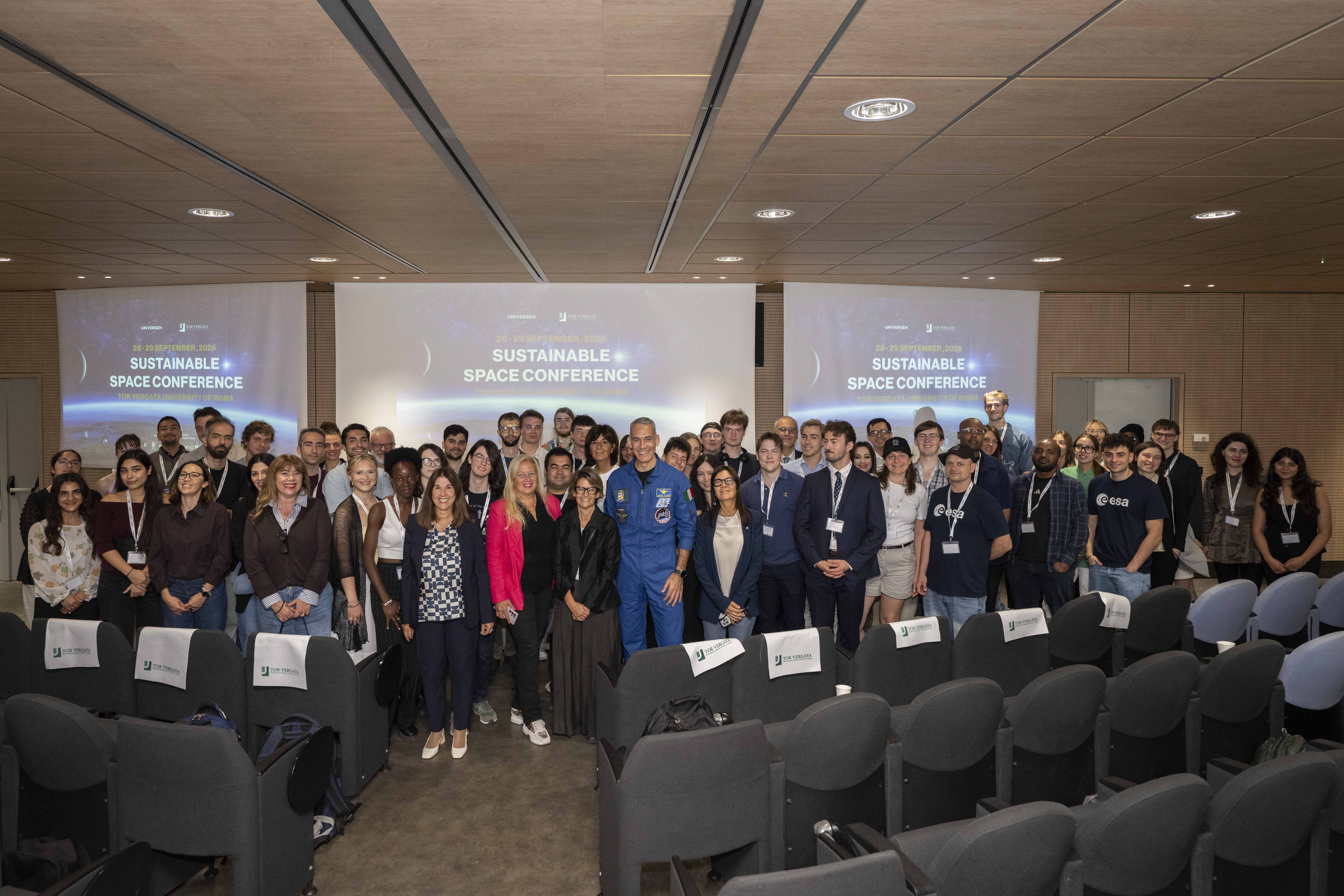
A Dialogue with Experts and Astronaut Walter Villadei
For two days, students from various European universities had the opportunity to engage with experts and astronaut Walter Villadei, discussing topics ranging from the use of extraterrestrial resources and life in extreme environments to the ethical and legal aspects of space exploration.
Students Take on the Sustainable Space Challenge
The core moment of the event was a challenge issued to the students, during which participants developed and presented innovative projects dedicated to space sustainability. The best proposal was awarded at the conclusion of the conference.
"Investing in students means investing in the future of space exploration and European innovation," stated Rector Prof. Nathan Levialdi Ghiron. "It is essential to offer young people concrete opportunities to interact with the leaders of research and technologies that will shape tomorrow's world."
Professor Myrka Zago, coordinator of the UNIVERSEH 2.0 project, highlighted how this Conference demonstrates what it means for Tor Vergata to be part of UNIVERSEH: "An alliance of European universities that has made space a permanent field for education, mobility and innovation, developed together with students."
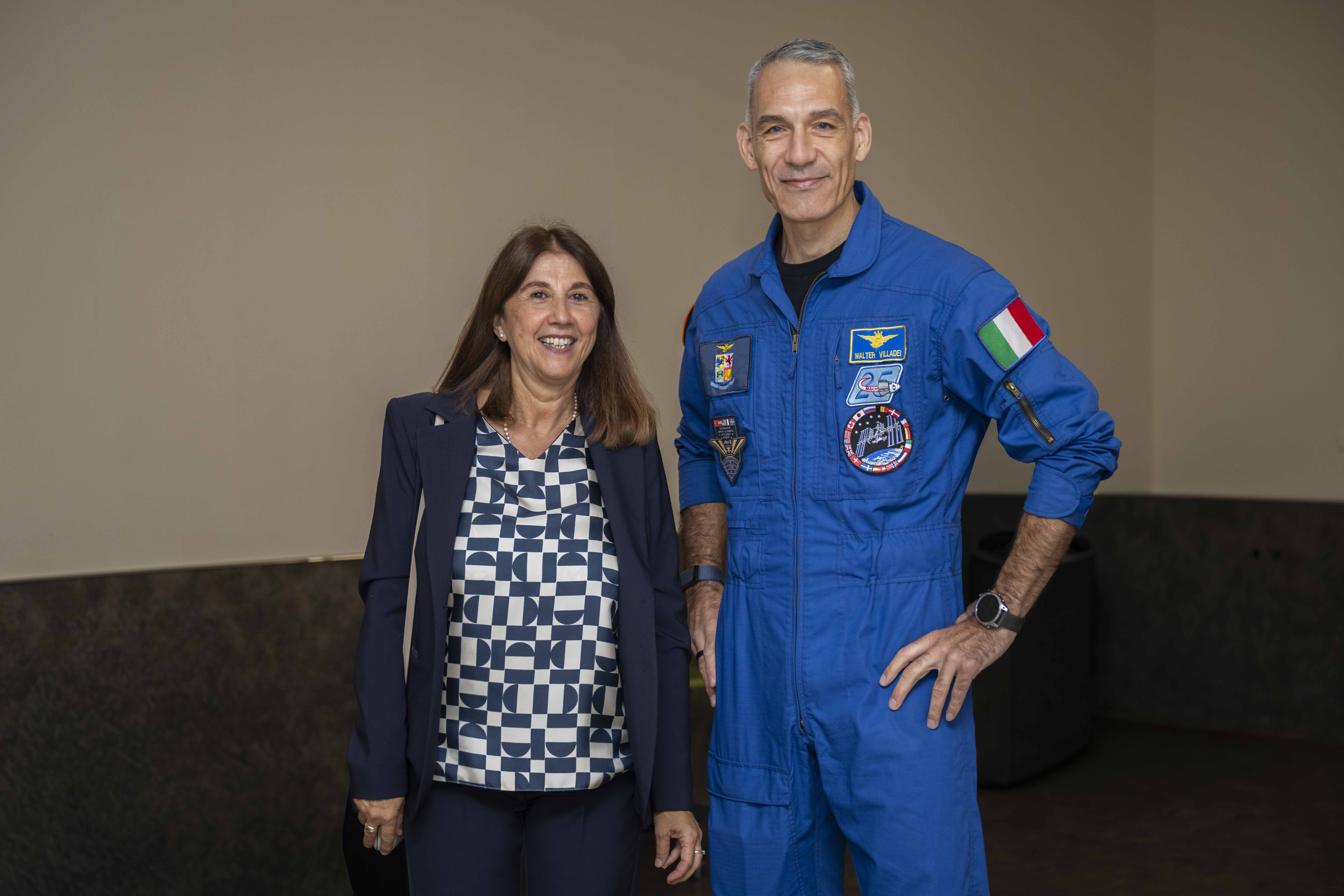
"Meetings like these are great opportunities for inspiring future generations, who will play a key role in the future international space scenario and will be called upon to promote space sustainability with a distinctly multidisciplinary approach," affirmed Professor Loredana Santo, organizer of the event together with the students involved in the UNIVERSEH 2.0 Project.
"Faced with future space challenges, the students found a common perspective and a shared commitment," said Professor Fabrizio Quadrini, who moderated the student contest. Space already requires a collective preservation effort, but it is also an instrument of sustainability and integration in its own right.
Info & Links
- Conference Webpage: web.uniroma2.it/en/contenuto/sustainable-space-conference
- UNIVERSEH Website: universeh.eu